Visas & Immigration
F-1 Visa Success in 2026: Preparing Your Winning Application
Updated: December 2025
Reading time: 14-16 min
By BorderlessLoans Team
⚠️ Important Policy Update – December 2025
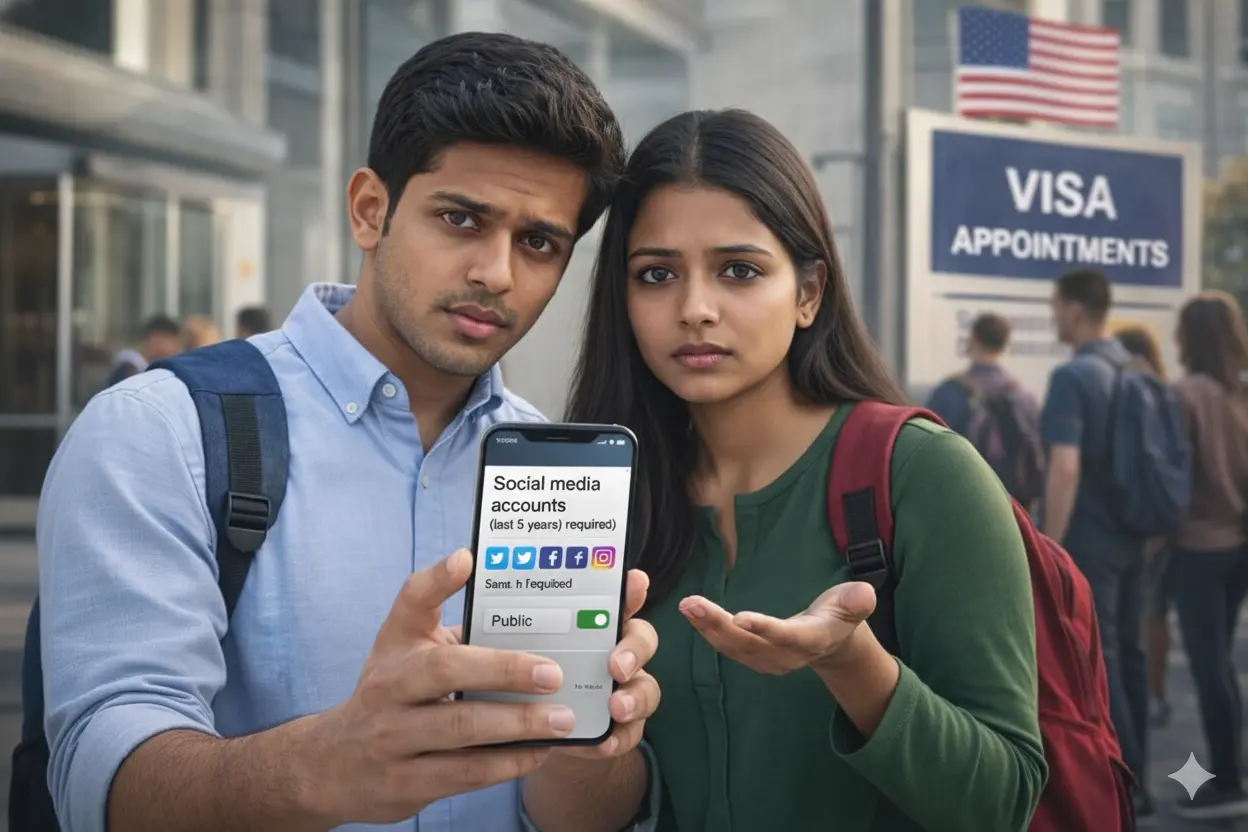
The U.S. Department of State has implemented enhanced screening and vetting procedures for F-1, M-1, and J-1 visa applicants effective June 2025. All student visa applicants must now set their social media profiles to “public” for consular review. Additionally, in-person interviews are now required for most applicants following changes to the interview waiver program in September 2025. This guide incorporates these latest requirements. (Source: U.S. Department of State)
In 2024/25, the United States welcomed 1,177,766 international students—a 5% increase and an all-time high. India alone sent 363,019 students, growing 10% year-over-year. Behind every successful student is one critical milestone: a well-prepared F-1 visa application.
You’ve worked hard to earn admission to your dream university. Your GRE scores are strong, your Statement of Purpose is polished, and your acceptance letter is in hand. Now comes the moment that will determine whether all that effort leads you to an American campus: your F-1 visa interview.
Let’s be direct about the current landscape: the U.S. government has implemented more rigorous screening procedures for student visas in 2025. Processing times have increased, and consular officers are conducting thorough reviews of applications and online presence. Some students see this as a barrier—but we see it as an opportunity.
Here’s the reality: enhanced vetting procedures mean that well-prepared applicants with genuine academic intent stand out more than ever. When everyone faces the same scrutiny, those who arrive with impeccable documentation, clear career goals, and consistent information across all platforms demonstrate exactly what consular officers want to see. The students who struggle are those who arrive underprepared—and that’s entirely preventable.
This comprehensive guide incorporates the latest 2025-2026 policy changes and will show you exactly how to prepare a winning F-1 visa application. You’ll learn what consular officers are really looking for, how to navigate new social media requirements, organize flawless documentation, and present yourself as the serious, qualified student you are. Your preparation starts now.
F-1 Visa: Key Statistics 2026
- 1,177,766 international students studied in the U.S. during 2024/25—an all-time high and 5% increase (Source: IIE Open Doors 2025)
- 363,019 Indian students in the U.S. in 2024/25, reflecting 10% growth—India remains the #1 source country (Source: IIE Open Doors 2025)
- 57% of international students pursue STEM fields, qualifying for up to 36 months of post-graduation work authorization (Source: IIE Open Doors 2025)
- 294,253 students on Optional Practical Training (OPT) in 2024/25—a 21% increase, demonstrating strong post-graduation employment (Source: IIE Open Doors 2025)
Strengthen Your Visa Application with Verified Funding
MPOWER provides loan approval letters that demonstrate verified financial capability to consular officers. No cosigner required. Loans up to $100,000 for 500+ approved schools.
Check Your Eligibility →
Critical Policy Changes for 2025-2026: What You Need to Know
The U.S. government has implemented significant changes to student visa processing in 2025. Understanding these changes—and preparing accordingly—is essential for your success. Here’s what’s new:
1. Enhanced Social Media Screening (Effective June 2025)
The Department of State now requires all F-1, M-1, and J-1 visa applicants to set their social media profiles to “public” before their visa interview. Consular officers will review your online presence as part of the vetting process. This requirement was announced on June 18, 2025.
What this means for you: Your social media becomes part of your application. Officers look for consistency between your online presence and your DS-160, as well as any content that might raise concerns. This is an opportunity for prepared students—your professional LinkedIn profile, academic achievements shared on social media, and consistent personal information all strengthen your case.
2. Interview Waiver Changes (Effective September 2025)
The Department of State updated its Interview Waiver policy on September 18, 2025. Most nonimmigrant visa applicants, including students renewing F-1 visas, are now required to attend in-person interviews with a consular officer.
What this means for you: Plan for an in-person interview regardless of whether you’re a first-time applicant or renewing. This gives you the opportunity to demonstrate your genuine intent directly to the consular officer—an advantage for well-prepared students.
3. Country-Specific Visa Restrictions
Presidential Proclamation 10998, effective January 1, 2026, implements visa restrictions for nationals of certain countries. India, Pakistan, Bangladesh, and Nepal are NOT affected by these restrictions—students from these countries may continue to apply for F-1 visas normally. (Source: U.S. Department of State)
What this means for you: If you’re from South Asia, the F-1 visa pathway remains fully open. Focus on thorough preparation rather than policy concerns.
4. Updated Fee Structure (September 2025)
As of September 29, 2025, the U.S. Embassy in India updated the consular exchange rate from ₹87 to ₹92 per USD, affecting all visa fee payments in rupees. The base visa application fee remains $185 (MRV fee), plus the $350 SEVIS fee for students.
The Bottom Line: These policy changes require more preparation, but they don’t reduce opportunities for genuine students. India issued over 140,000 student visas in 2023—more than any other country for the third consecutive year. Students who invest in thorough preparation, maintain consistent online profiles, and present clear academic intent continue to succeed.
Why Preparation Matters More Than Ever in 2026
Thorough Reviews Benefit Genuine Students
Yes, visa processing has become more rigorous. But consider what this actually means: consular officers are now better able to distinguish serious, well-prepared students from those with incomplete applications. When officers review your social media and find a consistent story—academic achievements, career aspirations, and connections to your home country—your credibility soars.
Think of it this way: enhanced vetting is like a filter that rewards authenticity. Students who have genuine academic intent, clear career plans, and honest documentation have nothing to fear and everything to gain.
The 2-3 Minute Reality
According to NAFSA, consular officers typically make decisions within the first minute or two of an interview. With high application volumes, officers must work efficiently—which means your first impression, your document organization, and your initial responses carry enormous weight.
This time pressure actually rewards preparation. Students who can quickly present organized documents and deliver clear, confident answers make the officer’s job easier and their own approval more likely.
Financial Clarity Is Non-Negotiable
Consular officers must verify that you can cover at least your first year of study without unauthorized employment. Unexplained bank deposits, unclear funding sources, or inconsistent financial documentation raise red flags that lead to denials.
Students with verified loan approval letters from established lenders demonstrate the kind of clear, legitimate funding that officers want to see. This documentation proves you’ve planned responsibly and have genuine means to support your education.
Consistency Across All Touchpoints
With expanded vetting including mandatory social media reviews, officers now verify that your story is consistent across platforms. Your LinkedIn profile, your DS-160 application, your interview responses, and your supporting documents should all tell the same coherent story about your academic goals and career plans.
This isn’t about hiding anything—it’s about ensuring accuracy. Review your profiles, update any outdated information, and make sure your academic and employment history is correctly represented everywhere.
Record Numbers Still Getting Approved
Despite enhanced scrutiny, the U.S. issued over 140,000 student visas to Indian students in 2023—more than any other country for the third consecutive year. The U.S. hosted a record 1,177,766 international students in 2024/25, with India sending 363,019 students—its highest ever. The path to approval remains open for prepared applicants with genuine academic intent.
The students who succeed share common traits: organized documentation, clear career goals linked to home country opportunities, verifiable finances, and confident interview presence. These are all things within your control.
Since June 2025, all F-1, M-1, and J-1 visa applicants must set their social media profiles to “public” for consular review. This represents a significant change—and an opportunity for prepared students to demonstrate their credibility. Here’s exactly how to prepare:
What Consular Officers Look For
According to Department of State guidance, officers conducting online presence reviews look for:
- Consistency: Does your LinkedIn match your DS-160 (job titles, employers, dates, education)?
- Identity verification: Do your profiles confirm who you claim to be?
- Content that raises concerns: Officers screen for hostile attitudes, extremist content, or antisemitic activity
- Credibility indicators: Academic achievements, professional networks, community involvement
Step 1: Audit Your Social Media (4-6 Weeks Before Interview)
Review all platforms you’ve used in the past 5 years—you’ll need to list them on your DS-160. Common platforms include LinkedIn, Facebook, Instagram, X/Twitter, YouTube, and TikTok.
For each platform:
- Verify your profile information matches your DS-160 exactly
- Update any outdated job titles, employers, or education details
- Review past posts for anything that could be misinterpreted
- Remove or edit content that doesn’t represent you professionally
Step 2: Optimize Your LinkedIn Profile
LinkedIn carries significant weight as your professional identity. Ensure it reflects:
- Current education status and acceptance to your U.S. university
- Work experience with accurate dates and descriptions
- Skills relevant to your intended field of study
- Connections in your professional community
- Posts or shares related to your academic interests (optional but helpful)
Step 3: Set Profiles to Public (Before Your Interview)
Before your visa interview:
- Change privacy settings to “public” on all listed platforms
- Verify that your content is visible to non-connections
- Keep profiles public until your visa is issued
- If you have minimal social media presence, that’s acceptable—officers understand not everyone is active online
Pro Tip: Think of your social media as part of your application portfolio. A well-maintained LinkedIn showing your academic journey, professional experience, and connections in your home country actually strengthens your case by demonstrating ties and credibility.
Understanding F-1 Visa Requirements
According to U.S. Citizenship and Immigration Services (USCIS), you must meet specific criteria to qualify for an F-1 visa. Understanding these requirements helps you build a stronger application:
1. SEVP-Certified School Enrollment
You must be enrolled in an academic program at a school certified by the Student and Exchange Visitor Program (SEVP). Your university will issue your Form I-20, which is your certificate of eligibility. Ensure your school appears in the SEVP school search.
2. Full-Time Enrollment
F-1 students must maintain full-time enrollment status. For graduate students, this typically means 9+ credit hours per semester. Your I-20 will specify your program’s full-time requirements.
3. English Proficiency
You must demonstrate sufficient English skills to succeed in your program. While your TOEFL or IELTS scores helped secure admission, be prepared to conduct your entire interview in English. Practice conversational English, especially discussing your academic plans.
4. Sufficient Financial Resources
You must prove you have enough funds to cover tuition and living expenses for at least your first year without unauthorized employment. The amount on your I-20 serves as your target. Documentation can include bank statements, scholarship letters, loan approval letters, and sponsor affidavits.
5. Residence Abroad with No Intent to Abandon
Under U.S. law, visa applicants are presumed to be “intending immigrants” until they prove otherwise. You must demonstrate compelling ties to your home country—family, property, career prospects—that ensure you’ll return after completing your studies. This is often the most challenging requirement and deserves significant preparation.
Document Preparation: Your Complete Checklist
Organization is everything. Have your documents arranged in labeled folders so you can quickly present exactly what the officer requests. Here’s your complete checklist:
Essential Documents (Folder 1)
- Valid Passport: Must be valid for at least 6 months beyond your intended stay
- Form I-20: Original, signed by you and your Designated School Official (DSO)
- DS-160 Confirmation Page: Printed copy with barcode
- Visa Application Fee Receipt: Proof of MRV fee payment ($185)
- I-901 SEVIS Fee Receipt: Proof of $350 SEVIS fee payment
- Passport-sized Photo: Meeting U.S. visa photo requirements (2×2 inches, white background)
- Interview Appointment Letter: Confirmation of your scheduled interview
Financial Documents (Folder 2)
- Bank Statements: Last 6 months, showing sufficient funds
- Scholarship/Assistantship Letters: Official confirmation of any awards
- Education Loan Approval Letter: From verified lenders like MPOWER
- Sponsor’s Financial Documents: If parents or others are funding (their bank statements, income proof, relationship proof)
- Affidavit of Support: If applicable, signed statement from sponsor
- Property Documents: Evidence of family assets (optional but helpful)
- Tax Returns: Sponsor’s last 2-3 years (ITR in India)
Academic Documents (Folder 3)
- University Admission Letter: Official acceptance from your U.S. institution
- Academic Transcripts: All degrees and mark sheets
- Degree Certificates: Bachelor’s and any advanced degrees
- GRE/GMAT Score Reports: Official copies
- TOEFL/IELTS Score Reports: Proof of English proficiency
- Resume/CV: Updated with education and work history
- Statement of Purpose: Copy of what you submitted
Home Country Ties (Folder 4)
- Employment Letter: If currently employed, stating leave approval and intent to return
- Family Property Documents: Evidence of family roots
- Family Business Documents: If applicable, showing future role
- Return Plan Statement: Your written explanation of post-study plans
- Job Market Research: Evidence of opportunities in your field at home
Financial Documentation: Building an Airtight Case
Financial documentation is where many applications fall apart. Here’s how to build a case that leaves no room for doubt:
Match or Exceed Your I-20 Amount
Your I-20 lists the estimated cost of attendance for your first year. Your documented funding must meet or exceed this amount. If your I-20 shows $55,000 in total costs, your combined savings, scholarships, and loans should demonstrate at least this much.
Calculate it clearly: Bank balance + Scholarship + Loan approval = Total funding ≥ I-20 amount
Avoid Sudden Large Deposits
Consular officers are trained to identify “funding shows”—large, unexplained deposits made just before the visa interview. These raise immediate red flags about the legitimacy of your funding. If you receive legitimate funds (gift from relatives, property sale, etc.), be prepared to explain with documentation.
Ideally, your bank statements should show a gradual accumulation of funds over 6+ months, not a sudden spike.
The Power of a Verified Loan Approval
Education loan approval letters from established lenders provide powerful evidence of legitimate funding. Unlike bank deposits that could come from anywhere, a loan approval demonstrates that a financial institution has verified your credentials and committed to funding your education.
MPOWER Financing provides loan approval letters specifically designed to support visa applications, including details about approved amounts, disbursement schedules, and program eligibility—exactly what consular officers want to see.
Document Sponsor Relationship and Ability
If parents or relatives are sponsoring your education, prepare to prove both the relationship and their financial ability. Bring birth certificates or family documents showing your relationship, plus their bank statements, income tax returns, and employment letters.
Officers may ask: “How can your parents afford this?” Be ready with specific answers about their income sources, savings history, and why they’ve chosen to invest in your education.
Create a Clear Funding Summary
Prepare a one-page summary showing exactly how you’ll cover costs:
- First Year Cost (per I-20): $XX,XXX
- Personal/Family Savings: $XX,XXX
- Scholarship Award: $XX,XXX
- Education Loan Approved: $XX,XXX
- Total Available: $XX,XXX
This clear presentation demonstrates financial literacy and thorough planning.
Interview Mastery: What Consular Officers Really Want
According to NAFSA and the Department of State’s Foreign Affairs Manual, consular officers evaluate three core areas. Here’s how to address each:
1. Genuine Student Intent
What they ask: “Why this university?” “Why this program?” “Why the U.S.?”
What they want to hear: Specific, researched reasons that go beyond “good education” or “better opportunities.” Mention particular professors, research facilities, curriculum features, or industry connections that attracted you.
Strong answer example: “I chose [University] specifically because Professor [Name]’s research in machine learning applications for healthcare aligns with my thesis interests. The program’s partnership with [Company] also provides hands-on experience I couldn’t get elsewhere.”
Weak answer to avoid: “The U.S. has the best universities” or “It will help my career.”
2. Financial Capability
What they ask: “How will you fund your education?” “Who is paying?” “What does your sponsor do?”
What they want to hear: Clear, verifiable funding sources with specific numbers. Confidence that you’ve calculated costs accurately and have legitimate means to cover them.
Strong answer example: “My education costs $58,000 annually. I have an education loan approved for $45,000 from MPOWER Financing, plus my family is contributing $15,000 from savings accumulated over several years. Here are the documents.”
Weak answer to avoid: “My uncle will help” without documentation, or vague statements about “enough money.”
3. Intent to Return Home
What they ask: “What will you do after graduation?” “Why won’t you stay in the U.S.?” “What ties do you have at home?”
What they want to hear: Specific career plans in your home country that require your U.S. education. Family obligations, business opportunities, or professional networks that pull you back.
Strong answer example: “My father’s engineering firm is expanding into renewable energy, which is exactly what my program specializes in. After gaining experience through OPT, I plan to return and lead their new solar division. The U.S. degree gives me expertise that’s rare in India’s growing green energy sector.”
Weak answer to avoid: “I’ll see what opportunities come up” or focusing heavily on U.S. job prospects.
Common Interview Questions to Prepare
- Why do you want to study in the United States?
- Why did you choose this university specifically?
- What is your intended major and why?
- How many universities did you apply to? Which ones?
- Who is funding your education and how?
- What do your parents do? How can they afford this?
- What will you do after completing your degree?
- Do you have any relatives in the United States?
- Have you traveled abroad before?
- What are your career plans in India after returning?
Common Mistakes to Avoid
❌ Over-Talking or Under-Talking
Keep answers concise but complete. Don’t give one-word responses, but don’t ramble either. Answer the specific question asked, then stop. If the officer wants more detail, they’ll ask follow-up questions.
❌ Bringing Family to the Window
According to NAFSA, parents or family members should not accompany you to the interview window. You must speak for yourself. If you’re a minor or need parents for specific questions, they should wait in the waiting area and only come forward if requested by the officer.
❌ Memorizing Scripted Answers
Officers conduct dozens of interviews daily—they can spot rehearsed speeches immediately. Instead of memorizing, understand your story deeply so you can answer naturally in your own words. Practice the concepts, not the exact phrases.
❌ Disorganized Documents
Fumbling through a messy stack of papers wastes precious interview time and creates a negative impression. Use labeled folders, know exactly where each document is, and be ready to present specific items immediately when asked.
❌ Inconsistent Information
Your DS-160, I-20, supporting documents, social media profiles, and verbal answers must all align. Discrepancies—even innocent ones—raise suspicion. Before your interview, review everything for consistency in dates, amounts, and details.
❌ Focusing Too Much on U.S. Opportunities
Emphasizing U.S. job prospects, H-1B possibilities, or plans to “see what happens” signals immigrant intent. Instead, frame your U.S. education as a means to achieve specific goals in your home country. OPT experience is fine to mention—just connect it to how it prepares you for return.
Success Stories: From Visa Interview to American Campus
Thiago Silva, Brazil
Master’s at George Washington University
Thiago, an economist from Brazil, successfully navigated his F-1 visa interview to pursue his Master’s degree at GWU. His success came from thorough preparation—he researched his program extensively, prepared clear documentation showing how his U.S. education would advance Brazil’s economic development, and practiced articulating his specific career goals.
He shared valuable insights on adapting to the F-1 visa interview process and the importance of presenting a coherent story connecting your past experience, U.S. education, and future home-country career.
Source: MPOWER Financing YouTube Channel
Rohan, Pakistan
Master’s in Finance at Hult International Business School
Rohan’s visa success story illustrates how a clear purpose resonates with consular officers. His goal was specific: gain expertise in finance to apply to microfinance initiatives in Pakistan. This concrete plan to use his education for home-country development gave him a compelling answer to the “why” questions.
His experience demonstrates that genuine academic intent combined with specific post-graduation plans creates the strongest visa applications—especially when backed by verified funding documentation.
Source: MPOWER Financing YouTube Channel
Sweccha, India
MBA at Drexel University
Sweccha’s journey from engineering to an MBA at Drexel University required navigating both the career transition narrative and the visa process. Her candid discussion about adapting to U.S. culture and the visa interview process highlights the importance of honest, thoughtful responses.
She emphasizes that officers appreciate authenticity—they want to understand your genuine motivations, not hear what you think they want to hear. Her engineering background combined with MBA aspirations told a coherent story of career evolution.
Source: MPOWER Financing YouTube Channel
Get Your Visa Support Letter Today
MPOWER’s loan approval includes a visa support letter that demonstrates verified funding to consular officers. Join 24,000+ students who secured financing without a cosigner.
Start Your Application →
Frequently Asked Questions
What are the basic requirements for an F-1 student visa?
You must be enrolled full-time at a SEVP-certified school, have sufficient funds for at least your first year, demonstrate English proficiency, and prove intent to return to your home country after studies. Your school issues Form I-20, which is required for your visa application.
How much money do I need to show for F-1 visa?
You must demonstrate funding equal to or greater than the amount listed on your I-20 form, which typically covers tuition plus living expenses for one academic year. For most Master’s programs, this ranges from $50,000-$70,000. Sources can include savings, scholarships, and education loan approvals.
When should I schedule my F-1 visa interview?
Schedule your interview as early as possible—you can apply up to 365 days before your program start date, though visas are typically issued no more than 120 days before. Given current processing times, apply at least 2-3 months before you need to travel. Summer months (June-August) are busiest.
What questions will the visa officer ask me?
Expect questions about why you chose your university and program, who is funding your education, your career plans after graduation, ties to your home country, and previous travel history. Officers evaluate your genuine student intent, financial capability, and likelihood of returning home.
How long does the F-1 visa interview last?
Most interviews last only 2-5 minutes. Officers are experienced and make decisions quickly based on your documentation, demeanor, and responses. This short duration means your first impression, document organization, and initial answers are critically important.
Should I bring my parents to the visa interview?
No. According to NAFSA guidelines, you should interview alone. Bringing parents creates a negative impression that you cannot speak for yourself. If you’re a minor and parents must be present for specific questions, they should wait in the waiting area until called.
Can I use an education loan for F-1 visa financial proof?
Yes. A loan approval letter from a verified lender demonstrates legitimate, committed funding. MPOWER Financing provides visa support letters specifically designed for this purpose, showing approved amounts and disbursement schedules that consular officers recognize as credible proof of financial capability.
What if my bank statement shows a recent large deposit?
Large, unexplained deposits raise red flags. If you have a legitimate explanation (property sale, gift from relatives, loan disbursement), bring supporting documentation. Ideally, bank statements should show gradual accumulation over 6+ months rather than sudden spikes just before the interview.
Do I need to make my social media public for the visa interview?
Yes. As of June 2025, the Department of State requires all F-1, M-1, and J-1 visa applicants to set their social media accounts to “public” before their interview. Officers review profiles for consistency with your DS-160 and for any concerning content. You can return accounts to private after receiving your visa.
What social media platforms do I need to list on my DS-160?
You must list all social media usernames and handles from platforms you’ve used in the past 5 years on your DS-160. Common platforms include LinkedIn, Facebook, Instagram, X/Twitter, YouTube, and TikTok. Omitting platforms can result in denial or ineligibility for future visas.
What do consular officers look for when reviewing social media?
Officers check for consistency between your online profiles and application (matching job titles, employers, dates, education), identity verification, and content that may raise concerns. A professional LinkedIn showing your academic journey and career connections actually strengthens your case.
Are Indian students affected by the January 2026 visa restrictions?
No. Presidential Proclamation 10998 (effective January 1, 2026) does not affect nationals of India, Pakistan, Bangladesh, or Nepal. Students from these countries may continue to apply for F-1 visas normally. Focus on thorough preparation rather than policy concerns.
Has the interview waiver been eliminated for student visas?
Largely yes. As of September 2025, most nonimmigrant visa applicants including students must attend in-person interviews. While some waivers exist for specific circumstances, plan to attend an in-person interview regardless of whether you’re applying for the first time or renewing.
How do I prove I will return to my home country?
Demonstrate “ties” that connect you to home: family relationships, property ownership, business interests, career opportunities in your field, or community obligations. Articulate specific plans for how your U.S. education will advance your career at home, not just general statements about “returning.”
Can I mention OPT in my visa interview?
Yes, but frame it carefully. OPT is a legitimate part of F-1 status and provides valuable work experience. Present it as training that enhances skills you’ll bring home, not as a pathway to permanent U.S. employment. Connect OPT experience to your home-country career goals.
What happens if my visa is denied?
Ask the officer for specific reasons and what additional documents might help. You can reapply with stronger documentation addressing the denial reasons. Common issues include insufficient financial proof, weak home country ties, or inconsistent information—all addressable with better preparation.
How long does visa processing take after the interview?
If approved, most visas are ready for pickup within 3-5 business days. However, some applications require additional administrative processing that can take weeks. Check your interview result slip and the embassy’s tracking system. Apply early to allow buffer time before your program starts.
When can I enter the United States with my F-1 visa?
You can enter the U.S. up to 30 days before your program start date listed on your I-20. Arriving earlier helps you settle in, attend orientation, and adjust before classes begin. Plan your travel accordingly and have your I-20, visa, passport, and financial documents accessible for port-of-entry inspection.
|